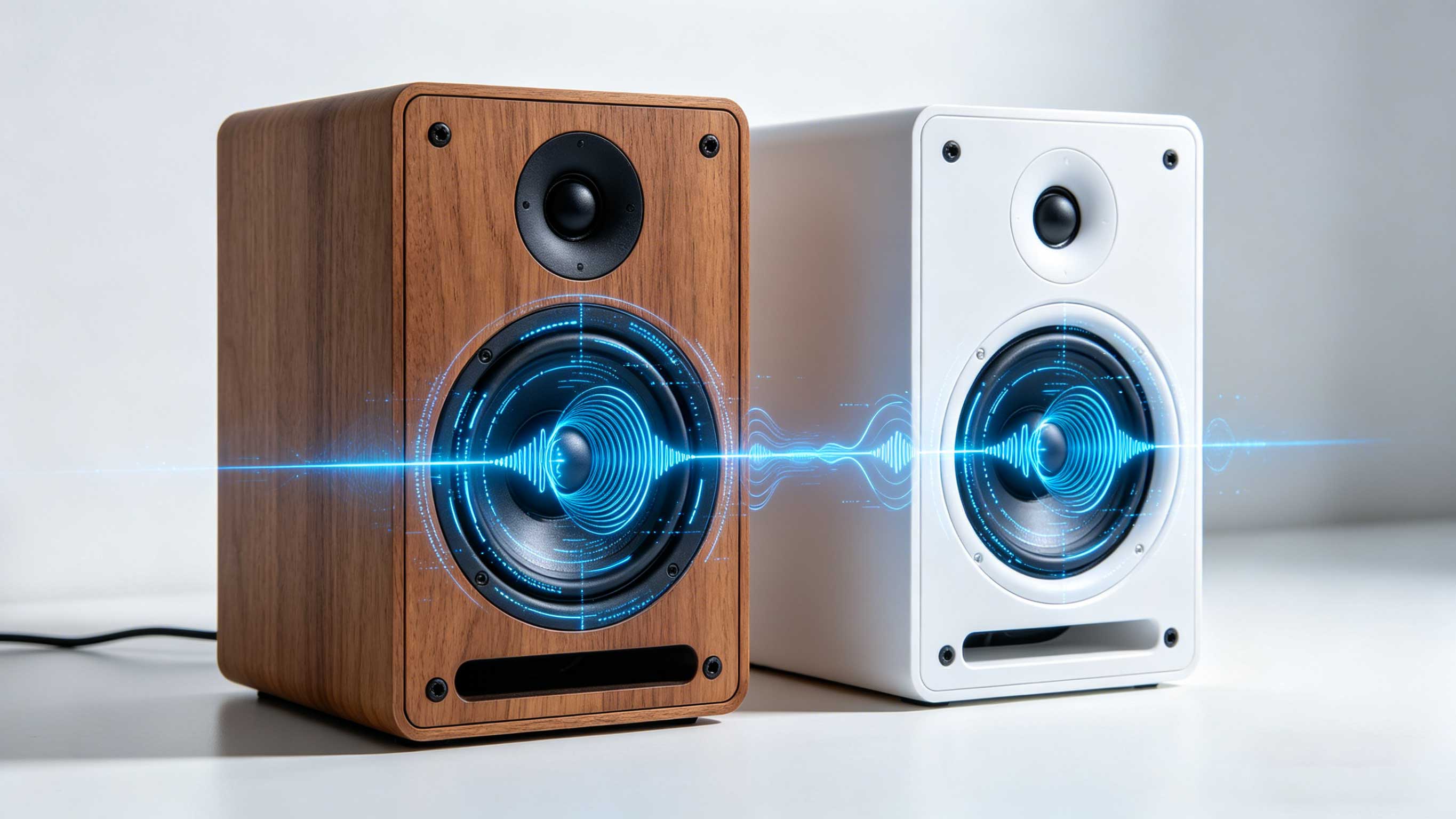
In-Depth Understand Speaker
Hi guys, today I want to show you how is a speaker composed, by reading this article, I believe you will have a in-depth understand of speaker structure.
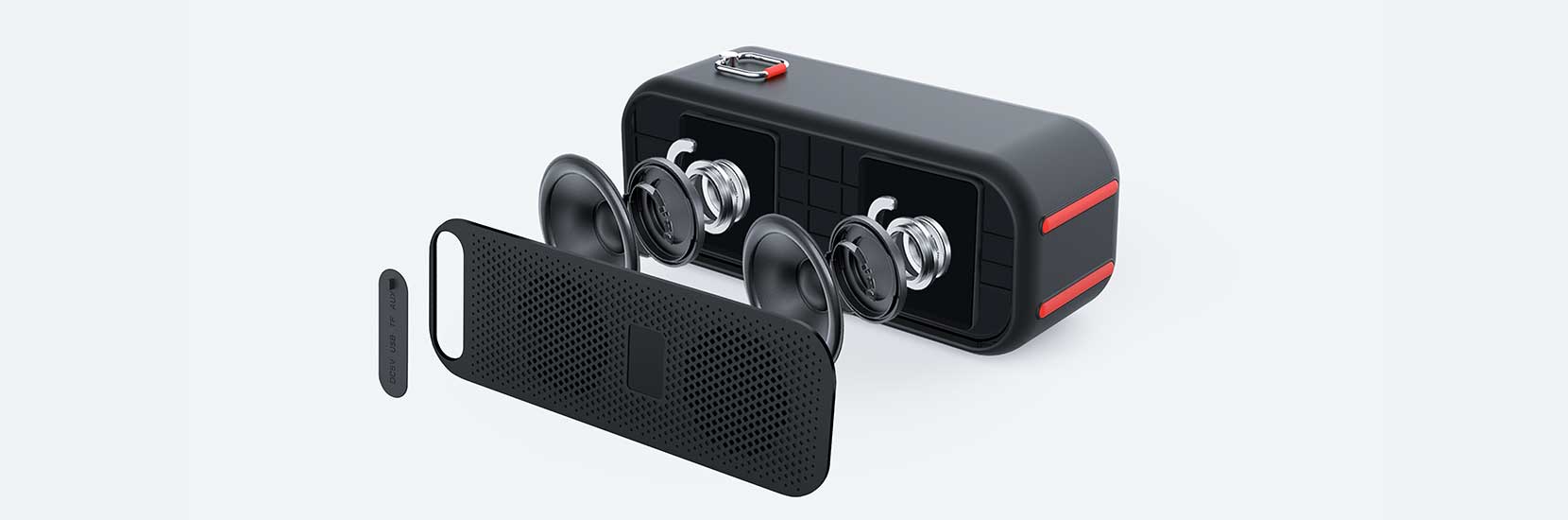
Audio speakers are complex devices designed to convert electrical signals into audible sound. Their performance depends on the precise integration of various components, each serving a specific role. Below is a breakdown of the key parts of a speaker and their functions.
---
1. Speaker Driver (Transducer)
The driver is the core component responsible for sound production. It consists of several sub-components:
The driver is the core component responsible for sound production. It consists of several sub-components:
- Diaphragm (Cone/Dome):
- Made of materials like paper, plastic, or metal.
- Vibrates to displace air and create sound waves.
- Voice Coil:
- A wire coil attached to the diaphragm.
- Interacts with the magnetic field to produce motion.
- Magnet & Pole Piece:
- Provides a static magnetic field to drive the voice coil.
- Neodymium or ferrite magnets are commonly used.
- Spider & Surround:
- Spider: A flexible ring that centers the voice coil.
- Surround:** A rim (often foam or rubber) allowing the cone to move freely.
- Made of materials like paper, plastic, or metal.
- Vibrates to displace air and create sound waves.
- Voice Coil:
- A wire coil attached to the diaphragm.
- Interacts with the magnetic field to produce motion.
- Magnet & Pole Piece:
- Provides a static magnetic field to drive the voice coil.
- Neodymium or ferrite magnets are commonly used.
- Spider & Surround:
- Spider: A flexible ring that centers the voice coil.
- Surround:** A rim (often foam or rubber) allowing the cone to move freely.
Types of Drivers:
- Woofer: Handles low frequencies (bass).
- Tweeter: Reproduces high frequencies (treble).
- Midrange: Covers mid-frequency sounds.
- Subwoofer: Dedicated to very low bass.
- Woofer: Handles low frequencies (bass).
- Tweeter: Reproduces high frequencies (treble).
- Midrange: Covers mid-frequency sounds.
- Subwoofer: Dedicated to very low bass.
---
2. Crossover Network
- Divides the audio signal into different frequency ranges (e.g., bass to the woofer, treble to the tweeter).
- Uses capacitors, inductors, and resistors to filter frequencies.
- Passive crossovers are built into speakers; active crossovers require external power.
- Divides the audio signal into different frequency ranges (e.g., bass to the woofer, treble to the tweeter).
- Uses capacitors, inductors, and resistors to filter frequencies.
- Passive crossovers are built into speakers; active crossovers require external power.
---
3. Enclosure (Cabinet)
The speaker cabinet affects sound quality by minimizing vibrations and resonances. Common types include:
- Sealed Enclosure: Provides accurate bass but requires more power.
- Port/Bass Reflex Enclosure: Uses a tuned port to enhance low-frequency output.
- Transmission Line: Uses a long, damped pathway to refine bass response.
The speaker cabinet affects sound quality by minimizing vibrations and resonances. Common types include:
- Sealed Enclosure: Provides accurate bass but requires more power.
- Port/Bass Reflex Enclosure: Uses a tuned port to enhance low-frequency output.
- Transmission Line: Uses a long, damped pathway to refine bass response.
Materials:
- MDF (Medium-Density Fiberboard) is common for reducing resonance.
- Some high-end speakers use aluminum or composite materials.
- MDF (Medium-Density Fiberboard) is common for reducing resonance.
- Some high-end speakers use aluminum or composite materials.
---
4. Terminal & Wiring
- Binding Posts or Spring Clips: Connect the speaker to an amplifier.
- Internal Wiring: High-quality copper wires ensure minimal signal loss.
- Binding Posts or Spring Clips: Connect the speaker to an amplifier.
- Internal Wiring: High-quality copper wires ensure minimal signal loss.
---
5. Damping Materials
- Absorptive Foam/Fiberglass: Lined inside the cabinet to reduce standing waves and distortions.
- Absorptive Foam/Fiberglass: Lined inside the cabinet to reduce standing waves and distortions.
---
6. Grille & Aesthetic Components
- Grille: Protects the driver from physical damage.
- Finish: Wood veneer, vinyl, or paint for visual appeal.
- Grille: Protects the driver from physical damage.
- Finish: Wood veneer, vinyl, or paint for visual appeal.
---
Conclusion
A speaker’s performance relies on the synergy of its components—drivers for sound generation, crossovers for frequency division, enclosures for acoustic control, and wiring for signal integrity. Understanding these parts helps in selecting or designing speakers for optimal audio fidelity.
A speaker’s performance relies on the synergy of its components—drivers for sound generation, crossovers for frequency division, enclosures for acoustic control, and wiring for signal integrity. Understanding these parts helps in selecting or designing speakers for optimal audio fidelity.
Would you like a deeper dive into any specific component?
Why Would I Recommend a Party Speaker?
Different usage scenes of speaker