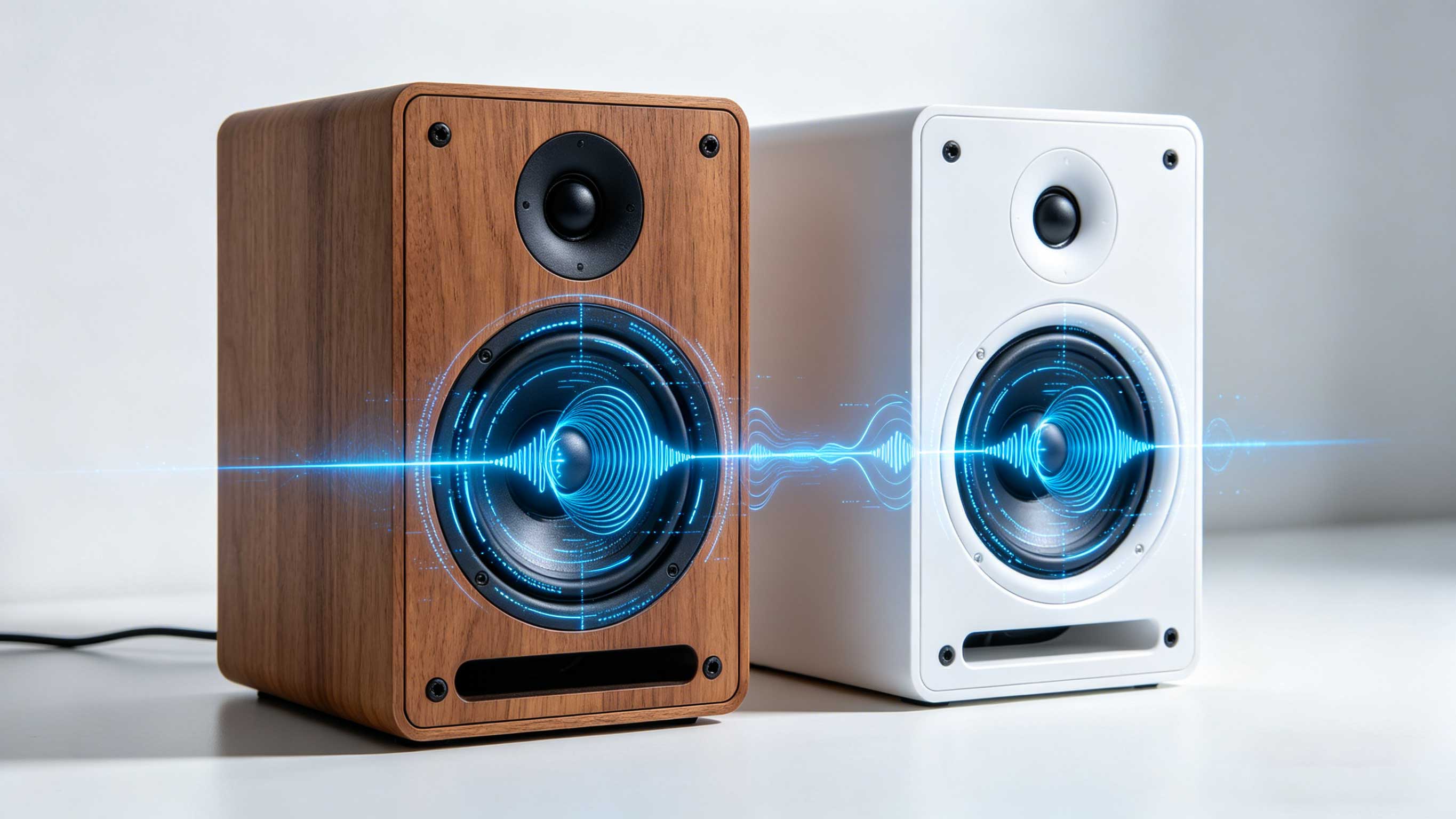
Speaker Drivers: Full-Range, Coaxial, Dynamic How to Choose

Speaker Driver Guide: Full-Range, Coaxial, Dynamic – How to Choose
The speaker driver is the most important component of any sound system. However, many users feel confused when choosing between full-range, coaxial and dynamic drivers, as each technology delivers different sound characteristics, unique advantages and specific applications.
In this complete guide, we explain their working principles, differences, strengths, weaknesses and ideal usage scenarios, so you can select the perfect speaker driver for your Hi-Fi system, desktop setup, home audio or car audio.
1. Full-Range Speaker Driver
A full-range driver uses a single driver unit to reproduce the entire frequency range: bass, midrange and treble, without frequency dividers or external crossovers.
Advantages
- Smooth, natural and coherent sound without frequency interruption
- Compact design, perfect for small spaces
- Simple structure, easy to install and maintain
- Affordable cost
Disadvantages
- Cannot produce deep bass or extreme high frequencies
- Limited performance at high volume
- Less sound detail than multi-driver systems
Recommended Uses
- Desktop speakers
- Small bedroom audio systems
- Vocal music, jazz, light classical music
2. Coaxial Speaker Driver
A coaxial driver integrates two drivers on the same axis: a woofer for bass and a tweeter for treble, with the tweeter placed in the center of the woofer. It is the most popular design for professional speakers and car audio.
Advantages
- Highly accurate and focused soundstage
- Excellent midrange and treble performance
- Space-saving structure
- Ideal for near-field listening
Disadvantages
- Requires a high-quality crossover to avoid interference
- Weaker bass performance than separate speaker systems
- Higher price than full-range drivers
Recommended Uses
- Car audio systems
- Bookshelf Hi-Fi speakers
- Studio monitors
- Small and medium-sized rooms
3. Dynamic Speaker Driver
The dynamic driver is the most common and widely used speaker type in the world. It works through a moving voice coil driven by a magnetic field, producing sound waves. It includes woofers, tweeters and midrange drivers.
Advantages
- Strong bass performance and high power handling
- Excellent durability and long service life
- Compatible with almost all amplifiers
- High sensitivity and loud volume
Disadvantages
- Needs multiple drivers to cover the full frequency range
- Larger size for high-power models
- Possible distortion at extremely high volumes
Recommended Uses
- Home speakers
- Home theater systems
- Large room audio setups
- Electronic music, pop, rock
Quick Comparison: Which One Is Right for You?
- For natural sound, compact size and budget-friendly choice: choose full-range drivers.
- For precision and clear soundstage: choose coaxial drivers.
- For strong bass, power and durability: choose dynamic drivers.
Conclusion
There is no universal “best” speaker driver — only the one that fits your space, music style and budget.
Full-range drivers are perfect for small spaces and organic, natural sound.Coaxial drivers excel in clarity and positioning accuracy.Dynamic drivers are the most balanced choice for home use and powerful sound.
By understanding their differences, you can make a smart choice and improve your listening experience without overspending.
How Much Does Cabinet Material Affect Sound Quality? Wood vs Plastic Speakers
The Best speaker Choice in 2026